

Somatic Spacework
An embodied, hands-on approach to working with the body as a living system.
Somatic Spacework is a modality I have developed through more than twenty years of studying and working with the body across physiology, movement, somatics, meditation, sexuality, and human development.
Sessions can include touch, assisted movement, breath, attention, imagery, conversation, and stillness, with the experience shaped responsively by what emerges. I work with people of all genders, and Somatic Spacework can include both non-sexological and sexological hands-on work.
Inquire About Somatic Spacework →
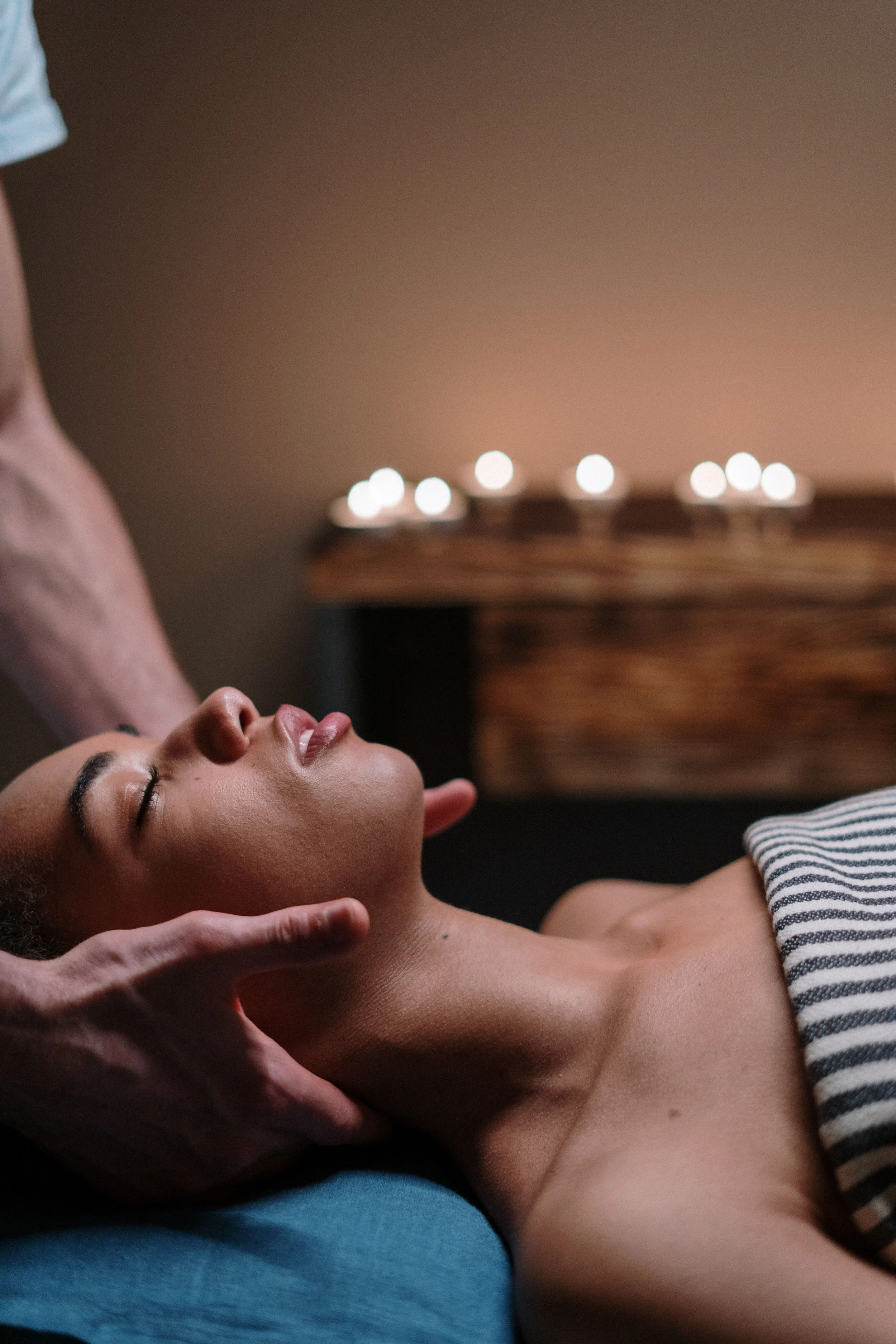
Why Spacework?
We are always responding to the conditions within and around us. Sensation, memory, expectation, environment, another person’s presence, and our own attention can all influence what happens in the body. Breath changes. Muscles brace or soften. We move toward something or away from it. Sometimes we recognize these responses as they happen. Sometimes they have become so familiar that we barely notice them.
The space in Somatic Spacework is room to notice more of what is happening and allow something different to become possible.
Through attention, movement, touch, breath, conversation, and stillness, we create conditions where sensation can become clearer, habitual responses can become more visible, and new responses can be explored through experience.
Space also appears more literally within the practice. My contemplative and Tantric training includes elemental meditations that use guided imagery to expand awareness outward from the body into increasingly vast space before gradually returning. Elements of that practice have influenced how I sometimes work with imagery and subtle embodied awareness in Somatic Spacework, allowing our attention to move between the immediate sensations of the body and a much wider sense of space and time.
This is especially important because understanding something intellectually does not always change how the body responds. You can understand why you tense when someone gets close and still feel yourself brace. You can know that you are safe and still have difficulty receiving touch. You can want pleasure, connection, rest, or movement while your body organizes around something else.
Hands-on work gives us another way to meet those patterns. We can pay attention to breathing, muscular tone, posture, movement, sensation, proximity, touch, and the impulses that arise from moment to moment. Conversation remains part of the process, while the range of information available to us becomes much wider.
The body becomes part of the conversation.
Working With a Living System
A human being is a living system, continuously sensing, responding, adapting, and changing. Somatic Spacework begins there.
Touch, movement, breath, pressure, position, attention, imagery, language, sound, proximity, and stillness can all influence what happens within a session. Each creates information through the response that follows. A breath deepens. Muscular tone changes. Sensation becomes stronger or softer. Movement arises. An emotion, image, memory, or association appears. You may want more pressure, less contact, a different position, movement, stillness, distance, or time to stay exactly where you are.
Those responses help shape what happens next.
Each session develops through this ongoing process of response and feedback. A session may move between conversation, guided attention, breathing, assisted movement, stretching, hands-on contact, imagery, sound, and stillness. We pay attention to what changes, what becomes available, and what your responses are communicating, then work from there.
I bring my knowledge, perception, and experience into relationship with what is actually happening in the room. What emerges informs what happens next, creating an ongoing exchange between attention, experience, response, and choice.
Two Expressions of Somatic Spacework
The same responsive approach can work with different dimensions of embodied experience.
Somatic Spacework can be non-sexological or include sexuality as part of what we explore. In both forms, we work with the body as a living system, paying attention to sensation, response, feedback, and choice. What changes is the territory we invite into the experience.

Non-Sexological Somatic Spacework
Non-sexological Somatic Spacework brings together touch, assisted movement, breath, guided attention, & other embodied practices to explore what is happening through the body.
A session might involve muscular tension or bracing, movement and mobility, physical stress, habitual patterns, receiving touch, or simply developing a clearer relationship with sensation and embodied experience. My background in exercise physiology, strength and conditioning, somatics, neuromuscular facilitation, meditation, Feldenkrais-informed practice, and biotensegrity gives me multiple ways of understanding what I am noticing and responding to what emerges.
These sessions can stand on their own or become part of a larger private coaching relationship.

Sexological Somatic Spacework
Sexological Somatic Spacework brings the same responsive approach into direct relationship with sexuality. We may explore pleasure, arousal, sensation, desire, receiving, boundaries, intimacy, erotic energy, orgasmic experience, or your relationship with your sexual body.
Sexual experience can involve many dimensions at once. Physiological responses, emotion, memory, expectation, relationship history, protective patterns, pleasure, curiosity, and meaning can all become present through the body. Working experientially gives us an opportunity to notice and engage with these responses as they happen, including places where the body may still organize around protection, inhibition, or experiences from the past.
Sexological Somatic Spacework can include full-body and genital touch. The scope of each experience is discussed together beforehand and shaped through ongoing communication, consent, and attention to your responses throughout the session.
Orientation → Experience → Integration
For anyone beginning Somatic Spacework with me, the hands-on experience sits within a larger process of orientation and integration.
Orientation
We begin with conversation. I want to understand what is bringing you here, what you are curious about, relevant experiences or history, and what you hope to explore. We also talk through the nature and scope of the hands-on work, including sexological touch when relevant, along with questions you have, boundaries, consent, and anything that will help us approach the experience with greater clarity.
Depending on what brings you, I may also share practices, readings, or other material to explore before we meet in person, including access to relevant portions of the EDGE.
Experience
The hands-on session gives us dedicated time to work experientially with what we have been exploring. We begin by reconnecting with what brought you here and establishing the scope of the session together, then allow the experience to develop responsively from there.
Pleasure, arousal, emotion, memory, protective responses, movement, sound, laughter, tears, curiosity, stillness, and other experiences may arise. We pay attention to what is happening rather than working toward a prescribed response or outcome.
Integration
Afterward, we meet again to reflect on the experience and what became visible through it. We may explore sensations, responses, emotions, insights, questions, or patterns that emerged and consider how they connect with your sexuality, relationships, body, and larger life.
Integration gives you a way to continue learning from the experience and explore how what emerged continues to show up in your life.
Consent, Boundaries & Choice
Choice is part of the practice.
Consent in Somatic Spacework is ongoing. We establish the scope of a session together beforehand, and that agreement remains responsive to what you experience once we begin. You can ask for more or less pressure, change position, move toward or away from contact, request something different, pause, or stop at any point.
Sometimes a boundary is clear before an experience begins. Sometimes we discover one through the body itself. A breath changes. Muscles brace or soften. Something feels inviting, uncertain, pleasurable, uncomfortable, or simply different than expected. Learning to notice those responses and give them room to inform what happens next is part of Somatic Spacework.
This is especially important in sexological work, where touch, pleasure, arousal, vulnerability, memory, and protective responses can intersect. Prior conversation creates clarity around the territory we may explore, while ongoing communication and attention allow the experience to remain responsive as it unfolds.
Consent here is more than permission for touch. It is an embodied capacity to recognize and communicate yes, no, more, less, slower, pause, stay here, or I’m curious. Developing greater sensitivity to those distinctions can become part of what the experience itself teaches.
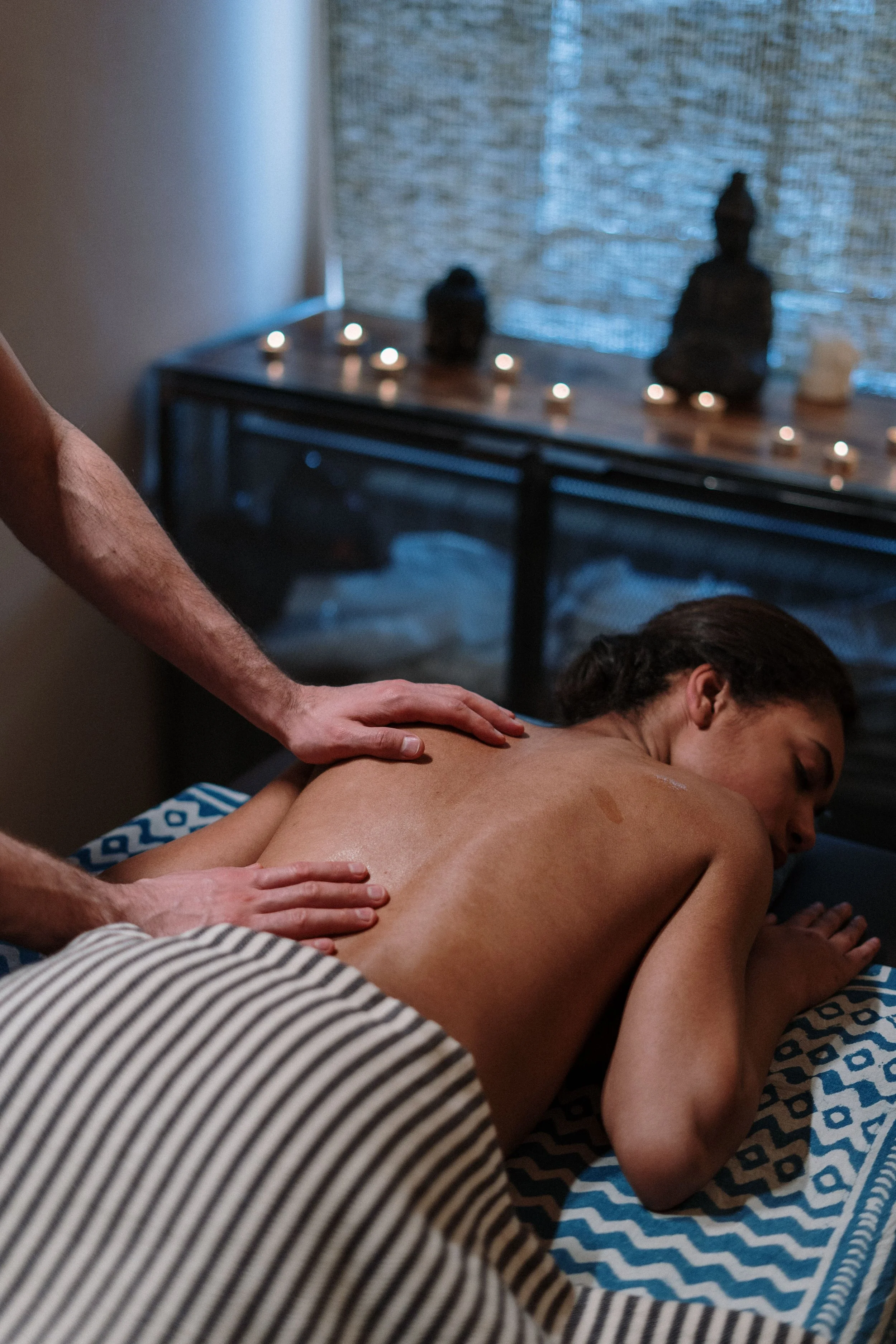
Experience, Training, & Influences
Somatic Spacework developed at the intersection of disciplines I have studied and practiced for more than twenty years.
My earliest professional training was in exercise physiology, strength and conditioning, and human performance. That taught me to understand the body through anatomy, physiology, adaptation, movement, load, recovery, and the processes through which human beings become stronger and more capable.
My work gradually expanded into yoga, meditation, somatics, neuromuscular facilitation, Feldenkrais-informed practice, biotensegrity, and other approaches to embodied awareness and movement. These disciplines changed how I paid attention. The body became more than something to assess or train. Sensation, breath, attention, movement, environment, and relationship became part of how I understood what was happening.
My training in Tantra and somatic sexology extended that inquiry into sexuality, including erotic energy, arousal, pleasure, sexual function, genital anatomy and touch, consent, boundaries, sexual healing, and the ways sexuality can intersect with memory, identity, relationship, spirituality, and protective patterns.
Contemplative practice and interspiritual ministry added another dimension, particularly around attention, meaning, ritual, relationship, and the ways people make sense of significant experiences in their lives.
Somatic Spacework grew from bringing these ways of seeing together in practice. I draw from them according to what I am noticing and what the person in front of me is experiencing, while allowing the session itself to provide the feedback that shapes where we go next.
Explore My Tantra & Sexological Training →

What Might Bring You Here
People come to Somatic Spacework for many different reasons.
You may arrive with something specific you want to explore, a pattern you have been trying to understand, or simply curiosity about what becomes possible when the body is included more directly.
Somatic Spacework may be relevant when you are exploring:
Tension, Bracing & Physical Patterns
Working with muscular holding, habitual patterns, mobility, stress, or the ways your body organizes around particular experiences.
Sexuality, Desire & Pleasure
Becoming more curious about arousal, desire, erotic energy, pleasure, sexual expression, and your relationship with your sexual body.
Intimacy, Boundaries & Communication
Developing greater sensitivity to what you want, what you feel, where your boundaries are, and how you communicate those distinctions with another person.
Sensation & Embodied Awareness
Developing a clearer relationship with sensation, breath, movement, touch, internal cues, and your ability to notice and respond to what you experience.
Sexual Function & Orgasmic Experience
Exploring concerns or patterns related to arousal, erection, ejaculation, orgasm, sensation, inhibition, or changes in sexual response.
Transition, Identity & Change
Meeting periods when your relationship with your body, sexuality, identity, partnership, health, spirituality, or life itself is changing.
Receiving Touch
Exploring comfort, boundaries, pleasure, vulnerability, connection, and your capacity to receive.
Protective Patterns & Experiences from the Past
Noticing how previous experiences may continue to shape bracing, avoidance, vigilance, inhibition, intimacy, sexuality, or your relationship with touch.
Curiosity & Exploration
Giving yourself dedicated space to experience your body differently, follow something you have been wondering about, or explore without needing a predetermined destination.
What brings you may touch several of these areas at once. We can begin with what feels most relevant and allow the connections to become clearer through the experience.
PRACTICAL QUESTIONS
Everything else you might want to know
-
I currently offer in-person Somatic Spacework in Florida's Treasure Coast region. I can also travel for private work, including sessions incorporated into a private immersion or a longer period of work together.
If you are traveling to Florida specifically for Somatic Spacework, we can discuss timing and logistics as part of the inquiry process.
-
I work with men, women, people across gender identities, and couples. Somatic Spacework is shaped around the person or people in front of me, their bodies, experiences, questions, boundaries, and what they want to explore.
Couples may work with me together when touch, sexuality, intimacy, communication, or embodied experience is something they want to explore within their relationship. Depending on what brings you, our work may include shared conversation and practice, individual hands-on work, or a combination of both.
-
Everyone beginning Somatic Spacework starts with the same three-part process: Orientation → Experience → Integration. This applies to both non-sexological and sexological Somatic Spacework.
We begin with an orientation session to understand what is bringing you, establish the scope of our work, discuss boundaries and consent, and prepare for the hands-on experience. The hands-on session itself is typically 90 to 120 minutes, with enough space for the experience to unfold without being organized around the clock. We then meet for an integration session to reflect on what emerged and how it connects with the larger context of your life.
After completing this initial process, you can return for continuing Somatic Spacework sessions without repeating the full three-part process each time.
-
Yes. Somatic Spacework can stand on its own or become one dimension of a larger private coaching relationship.
When it is part of ongoing work, what emerges through hands-on experience can inform our conversations, practices, and other areas we are exploring together.
-
Yes. Somatic Spacework can be incorporated into a private one- or multi-day immersion for an individual, couple, or family when hands-on work is relevant to what brings you.
An immersion gives us more dedicated time to move among conversation, embodied practice, Somatic Spacework, reflection, and other dimensions of my work within a single period of time.
-
For non-sexological Somatic Spacework, clothing depends on what we are exploring and may range from comfortable movement clothing to working directly with the skin when appropriate.
Sexological Somatic Spacework may involve varying degrees of clothing or nudity depending on the agreed scope of the session. We discuss this beforehand, and your choices can change at any point during the experience.
-
It can. Sexological Somatic Spacework may include full-body and genital touch when that is relevant to what we are exploring and has been discussed and agreed upon beforehand.
The presence of sexuality does not determine what has to happen in a session. Scope develops through conversation, consent, and ongoing attention to your responses and choices.
-
Sexological Somatic Spacework can engage directly with sexuality, arousal, pleasure, erotic energy, and genital sensation, but the relationship between practitioner and client remains professional.
My role is to support your experience and what you are exploring through it. The boundaries and scope of our work are discussed clearly as part of the orientation and consent process.
-
Yes! Depending on what you are exploring, a partner may be involved in parts of the process or we may decide that individual hands-on work alongside conversations involving both of you makes more sense.
We determine the structure together based on the relationship, what brings you, and the purpose of the work.
-
I am married to my partner, Ganga Devi, who has been closely connected to the development of this part of my life and practice. She was one of the people who encouraged me to pursue formal training in Tantra and somatic sexology, and we have been in ongoing conversation about my work throughout its development.
Ganga is not involved in client sessions, but our marriage, shared spiritual life, and commitment to integrity are part of the larger relational context in which I practice. The boundaries around my professional work are understood within our relationship rather than existing separately from it.
-
Somatic Spacework is its own embodied practice, informed by my background across physiology, movement, somatics, meditation, Tantra, somatic sexology, and human development.
I am not practicing as a physical therapist, psychotherapist, or licensed sex therapist. Somatic Spacework can complement care you receive from licensed healthcare or mental-health professionals, and I welcome appropriate collaboration when it supports the person I am working with.
-
Previous experiences can continue to shape how the body responds to touch, proximity, sensation, sexuality, vulnerability, and choice. You are welcome to share whatever history feels relevant during the inquiry and orientation process so we can consider how to approach the experience thoughtfully.
Somatic Spacework does not require you to disclose or retell everything that has happened to you. We can pay attention to what is present now, move at a pace that supports awareness and choice, and remain responsive to what your body is communicating.
If your needs are better supported by a licensed mental-health or medical professional, I will say so and encourage appropriate care.
-
No previous experience is required. Some people come with years of embodied or contemplative practice, while others are encountering this kind of work for the first time.
Orientation gives us time to establish shared language, answer questions, and prepare for the experience based on where you are beginning.
-
You do not need to decide before reaching out.
Tell me what is bringing you, what you are curious about, and any questions or concerns you have. We can determine together what kind of experience makes sense and where to begin.
-
The initial Orientation → Experience → Integration process is $1,200 and applies to both non-sexological and sexological Somatic Spacework.
After completing the initial process, continuing Somatic Spacework sessions are $600 each, with brief integration support available afterward when useful.
Interest-free payment plans are available for up to 12 months, with additional flexibility available when needed.
View Private Work Rates →
-
Begin with the Somatic Spacework inquiry. You can share what is bringing you, what you are curious about, whether you are interested in non-sexological or sexological work, and anything else you think would be useful for me to know.
I'll review what you share and follow up about what I think makes sense as a next step.